
What is my land worth
What Is My Land Worth? How to Value Rural and Vacant Land
Learn what your land is worth and how rural and vacant land is valued: the factors that drive price, how to find comparable sales, and how to get a fast cash offer in Texas and South Carolina.
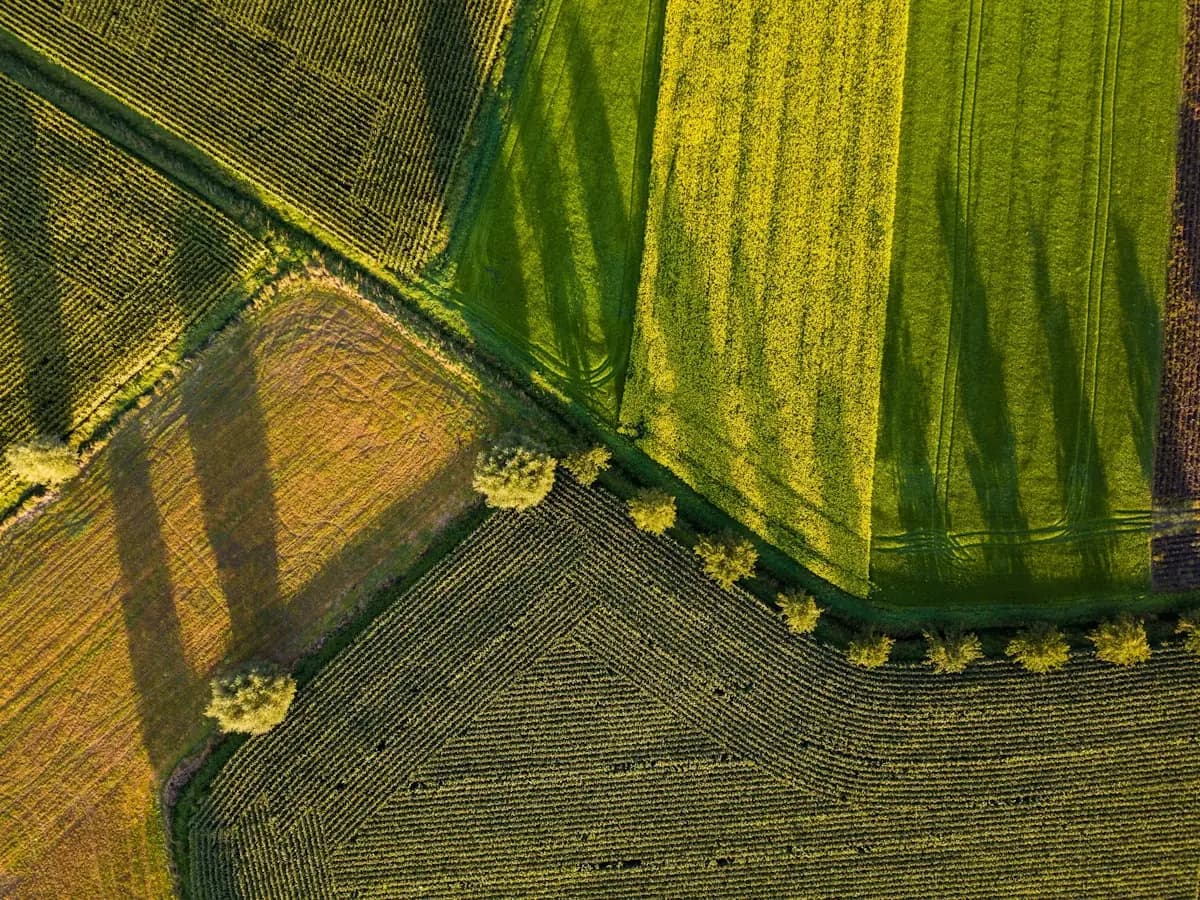
Your land's value comes down to a handful of things: its location, its size and usable acreage, legal road access, zoning and utility potential, topography, and any back taxes or title issues. There is no single price per acre that fits every parcel, which is why two lots in the same county can be worth very different amounts. The fastest way to find out what yours is worth is a written cash offer, usually within 48 hours. This guide explains how rural and vacant land is actually valued, how to research it yourself, and how to get a real number for your parcel.
The main factors that drive land value
- Location. The county, the road frontage, and what is nearby (towns, lakes, rivers, highways, attractions) matter more than anything else. The same five acres can be worth several times more in a growing county than in a remote one.
- Size and usable area. Total acreage matters, but so does how much of it is actually usable. A parcel that is half wetland or steep slope is worth less than its acreage suggests. Shape counts too: a clean, buildable rectangle beats an odd landlocked sliver.
- Legal access. Land on a county-maintained road is worth far more than a parcel reached only by crossing someone else's property. Legal, recorded access is one of the biggest single swings in value.
- Utilities and zoning. Power at the road, water and septic potential, and how the land is zoned set the ceiling on what a buyer can do with it, which sets the price.
- Topography and features. Flood zones, wetlands, slope, and tree cover can raise or lower value depending on the intended use. A wooded tract is a plus for a hunter and a cost for a builder.
- Taxes and title. Back taxes, liens, or a cloudy title reduce what any buyer will pay until they are cleared. They rarely make land unsellable, but they do come off the price.
For a step-by-step walkthrough of these checks, see our guide on how to evaluate raw land.
How to find comparable sales
The best estimate of value is what similar nearby parcels actually sold for recently, not what they were listed for. Asking prices are wishes; closed sales are facts. Look for sales in the same county, close in acreage, with similar access and zoning, from the last year or two. County deed and tax records, land marketplaces, and the local assessor's site are good starting points. Adjust for the obvious differences: a comparable parcel with paved road frontage is worth more than your landlocked one, even if the acreage matches.
Why price per acre can be misleading
A common mistake is taking a county-wide price per acre and multiplying it by your acreage. Per-acre prices usually fall as parcels get larger, so a 100-acre tract rarely fetches the same per-acre price as a 2-acre homesite. A small lot with road frontage and power can be worth far more per acre than a big landlocked tract with none. Value is parcel-specific, which is why we research each one individually rather than applying a blanket rate.
Appraisal, agent opinion, or cash offer: which number do you need?
There are three common ways to get a value, and they serve different purposes. A formal appraisal costs money and is most useful for financing or legal needs. A real estate agent's opinion is usually free but comes attached to a listing agreement, commissions, and the wait for a buyer who can finance raw land. A cash offer is free, fast, and tells you exactly what a real buyer will pay today. If your goal is to understand what you would actually walk away with, a written cash offer is the most direct answer. See how ours is built on our how it works page.
What lowers value (and what you can usually ignore)
Things that genuinely lower value: no legal access, unresolved title or back-tax issues, flood-zone or wetland restrictions on a parcel meant for building, and odd or unusable shape. Things that worry sellers but matter less than they think: a little brush or overgrowth, a missing survey, or a leftover lot that "never sold" the traditional way. We buy as-is, including the parcels most agents pass on, so you do not need to clean up, survey, or improve the land to get a fair number. For the bigger picture on a sale, read our pillar guide on how to sell your land for cash.
How we calculate a cash offer
When we make an offer we look at recent comparable sales, the parcel's size and usable area, the location, the property taxes, and any access or title issues, then make a fair cash offer based on what the land can realistically resell for. We have been buying and selling land across Texas and South Carolina since 2019, with 150+ closings, so the number is grounded in what these parcels actually trade for, not a formula. You can also see current pricing in the kinds of parcels we handle on our available properties page, and read the local picture in our South Carolina rural land market outlook.
Frequently asked questions
Does land with back taxes still have value? Yes. Back taxes come off the price, not the deal. We regularly buy parcels with back taxes and can often handle the payoff at closing so it comes out of the proceeds rather than your pocket.
Do I need a survey or appraisal before getting an offer? No. We do our own research on the parcel and title. A survey can help in some cases, but it is not required to receive a written offer.
How long does it take to find out what my land is worth? Most sellers get a written cash offer within 48 hours of sharing the address or parcel number.
Related reading
- Two similar properties, two very different prices
- A simple guide to what impacts land value
- 4 key factors that determine rural land value
- The secret to fair pricing in rural land deals
- How Texas land prices shift with seasonal trends
- South Carolina rural land market 2026
- She Buys Land by the numbers
Find out what your land is worth
The fastest way to learn your land's value is to get a free, no-obligation cash offer. We do the research and send a written offer, usually within 48 hours, with no fees and closing costs covered. Call us at (843) 800-4085 or request your offer online.