
Land investing
Building a Tiny Home Community on Raw Land: What You Need to Know
Thinking about starting a tiny home community on raw land? Learn zoning requirements, infrastructure needs, and costs before you buy land for your project.
Why Raw Land Works for Tiny Home Communities
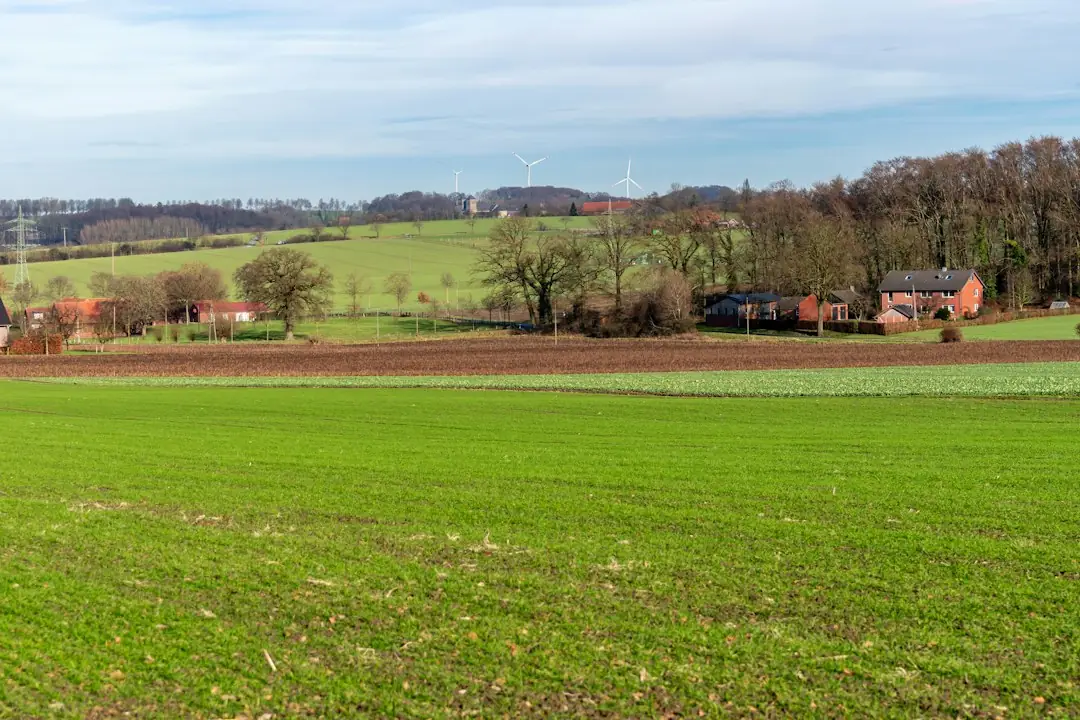
Tiny home communities are popping up across the country as more people embrace minimalist living and housing affordability. If you're exploring this path, raw land offers a blank canvas without the constraints of existing structures or previous uses. You control the layout, density, and community character from day one.
Raw land typically costs less per acre than improved property, which matters when you need enough space for multiple tiny homes, shared amenities, and buffer zones. The challenge is understanding what transforms empty acreage into a legal, livable community. Most tiny home projects fail not from lack of vision, but from underestimating zoning hurdles and infrastructure costs.
Zoning Is Your First Filter
Before you fall in love with a parcel, verify that tiny homes are permitted. Many counties classify tiny homes on wheels as recreational vehicles, which limits where you can park them permanently. Tiny homes on permanent foundations face different rules, often grouped with single-family dwellings or accessory dwelling units.
Some rural areas have no zoning at all, giving you maximum flexibility. Others require special use permits for multi-unit developments. If you're considering land in Texas, counties like Val Verde and Hudspeth have fewer restrictions than urban fringe areas. South Carolina's rural counties also vary widely. Call the county planning department and ask specifically about tiny homes (both wheeled and foundation) before making offers.
Infrastructure: The Hidden Cost Driver
Raw land means no utilities. You'll need to budget for water, power, sewage, and roads. These aren't minor line items.
Water and Sewage Systems
Municipal water hookups can run $10,000 to $30,000 per connection if lines are nearby. Farther out, you're looking at wells (typically $3,000 to $15,000 depending on depth) or hauled water storage. For a community, a shared well with distribution lines spreads costs but requires easements and maintenance agreements.
Sewage is trickier. Septic systems for each tiny home cost $3,000 to $7,000. A shared septic field or small treatment plant might make sense for five or more units, but you'll need a licensed engineer and county approval. Some land parcels already have perc test results on file. Ask sellers for documentation.
Power and Internet
Electric companies charge per foot to extend lines. If you're more than a quarter mile from existing service, solar with battery backup becomes competitive. A single tiny home needs about 2kW of solar capacity. For a community, centralized solar with individual metering can lower upfront costs through bulk purchasing.
Internet access drives modern livability. Starlink works in most rural areas now, but check coverage maps. Some residents will demand fiber if available.
Community Design Considerations
Layout matters for livability and resale value. Plan for privacy without isolation.
Spacing and Shared Spaces
Most successful tiny home communities space units 20 to 50 feet apart. This allows for small yards, parking, and noise buffers while maintaining walkability. Plan for at least one common building (think: shared laundry, workshop, or gathering space) and preserve natural areas as community amenities.
Road access is non-negotiable. Fire departments often require roads wide enough for emergency vehicles, typically 20 feet minimum. Gravel works for low-traffic private roads and costs about $2 per square foot installed.
Legal Structure Options
You can structure ownership several ways. Some developers keep the land and lease lots to tiny home owners. Others sell individual parcels with shared easements for roads and utilities. Homeowners associations manage common areas but require bylaws and ongoing governance. Each model affects financing, taxation, and exit strategies differently. Talk to a real estate attorney before committing.
Running the Numbers
A rough budget for a five-unit tiny home community on 5-10 acres might look like this:
- Land acquisition: $5,000 to $50,000 depending on location
- Site prep and roads: $15,000 to $40,000
- Utilities (shared well and septic): $30,000 to $70,000
- Power infrastructure: $10,000 to $50,000
- Permits and engineering: $5,000 to $15,000
- Total: $65,000 to $225,000 before the first tiny home arrives
Per-lot costs drop as you add units, but complexity increases. Start with a pilot phase of two or three homes to prove the concept and work out kinks.
Selling Raw Land vs. Developing It Yourself
If you currently own raw land and wonder whether to develop it into a tiny home community or sell it outright, weigh your risk tolerance. Development requires capital, time, and expertise. The payoff can be substantial (selling improved lots typically returns 2-4x raw land prices), but projects drag on for years.
Selling now gives you immediate liquidity. Companies that buy raw land directly handle surveys, title work, and closings quickly, often within weeks. That cash can fund other opportunities without the headaches of permits and construction management.
Finding the Right Parcel
Look for land with these characteristics:
- Relatively flat terrain (reduces grading costs)
- Road frontage or recorded access easement
- Within five miles of power lines
- Soil suitable for septic (sandy loam is ideal)
- County zoning that permits multi-family or planned unit developments
- Proximity to towns for supplies, medical care, and employment
Drive the property multiple times in different weather. Flooding, mud, and access problems reveal themselves over time.
Making Your Move
Tiny home communities solve real problems around housing costs and lifestyle flexibility. Raw land gives you the foundation to build something meaningful. But success requires upfront homework on regulations, realistic budgets for infrastructure, and thoughtful community design.
If you're ready to explore raw land for your tiny home vision, start by narrowing your geography and understanding local rules. If you own land and prefer a simpler exit, selling directly puts cash in hand without the development risk. Either path starts with knowing what your land can and cannot support.