
What is my land worth
Does Subdividing Land Increase Value? What Landowners Should Know
Subdividing land can significantly increase property value, but success depends on zoning, costs, and market demand. Learn the key factors before splitting your parcel.
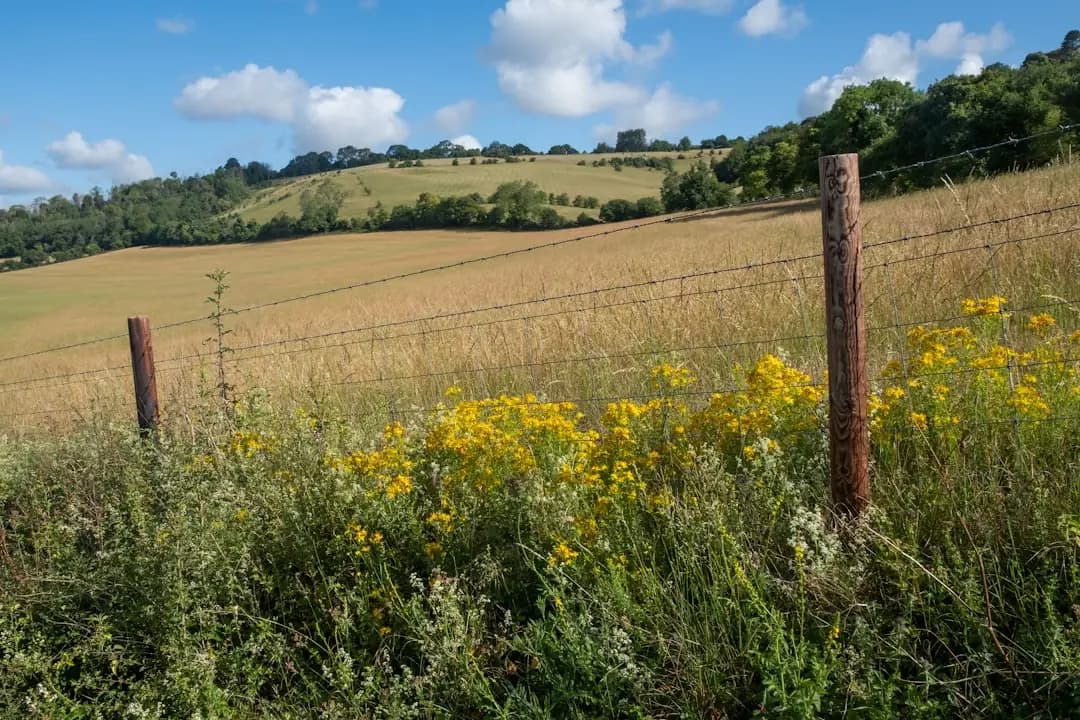
Does Subdividing Land Actually Increase Its Value?
If you own a large tract of raw land, you've probably wondered whether splitting it into smaller parcels could boost its overall worth. The short answer is yes, subdividing land can increase value, but the long answer involves understanding local regulations, upfront costs, and market conditions in your area.
How Subdivision Creates Value
More Buyers, Higher Demand
Larger parcels typically appeal to a smaller pool of buyers (developers, investors, or those seeking significant acreage). When you subdivide land into smaller lots, you open the door to individual homebuyers, weekend property seekers, and recreational users who want a few acres rather than fifty.
This expanded buyer pool often means you can sell individual parcels for more per acre than you'd get selling the entire tract as one piece. A 50-acre property might sell for $5,000 per acre ($250,000 total), but those same 50 acres split into ten 5-acre lots could fetch $8,000 per acre ($400,000 total). The math doesn't always work out this neatly, but the principle holds in many markets.
Flexibility in Sales Timing
Subdivision also gives you control over your timeline. You can sell one or two lots immediately to cover costs, hold onto others until market conditions improve, or keep a parcel for yourself. This flexibility is harder to achieve when you're committed to selling an entire property at once.
Key Factors That Determine Success
Zoning and Local Regulations
Before you get excited about subdivision potential, check your county's zoning ordinances and minimum lot size requirements. Some areas require parcels to be at least 5 acres, others allow 1-acre lots, and some suburban zones permit even smaller divisions.
You'll also need to understand:
- Setback requirements (how far structures must be from property lines)
- Road access regulations (each lot typically needs legal access to a public road)
- Environmental restrictions (wetlands, floodplains, endangered species habitats)
- Septic and well requirements (if public utilities aren't available)
Most counties require a formal subdivision plat prepared by a licensed surveyor and approved through a planning or zoning board. This process can take 3-12 months depending on local government efficiency and the complexity of your project.
Subdivision Costs
Subdividing isn't free. Budget for:
- Survey and platting: $2,000-$10,000+ depending on parcel size and terrain
- Engineering studies: $1,000-$5,000 for soil tests, percolation tests (septic), environmental assessments
- Legal and filing fees: $500-$2,000 for attorneys and county recording costs
- Infrastructure improvements: potentially $10,000-$50,000+ per lot if you need to build roads, install utilities, or improve access
If you're subdividing 10 acres into two 5-acre lots with minimal infrastructure needs, you might spend $5,000-$8,000 total. But subdividing 100 acres into twenty 5-acre lots with new road construction could run $100,000 or more. Run the numbers carefully before committing.
Market Demand in Your Area
Subdivision only increases value if buyers actually want smaller parcels in your location. Research recent land sales in your county. Are 5-acre parcels selling quickly? What price per acre are they commanding compared to larger tracts?
In rural areas with strong demand for recreational land or homesteads, subdivision often makes financial sense. In remote locations with limited buyer interest, the costs might outweigh the benefits.
When Subdivision Makes the Most Sense
You're likely to see good returns from subdividing when:
- Your property is within 30-60 minutes of a growing town or city
- The land has desirable features (water frontage, mountain views, wooded acreage)
- Local zoning permits relatively small lot sizes
- Recent sales show strong demand for parcels in the 2-10 acre range
- You have time to navigate the approval process and can afford upfront costs
Alternatives to Consider
If subdivision seems too complex or expensive, you have other options:
Sell as-is to a land buyer. Companies like She Buys Land purchase raw land in any condition without requiring owners to subdivide, improve access, or make infrastructure investments. You'll get a fair cash offer and close quickly without subdivision headaches.
Lease portions for agriculture or recreation. Generate income from your land without permanently dividing it.
Explore conservation easements. Some landowners reduce their tax burden while maintaining ownership through conservation programs.
Final Thoughts: Run Your Numbers
Subdividing land can absolutely increase value, but success depends on doing your homework. Calculate realistic costs, research local market demand, and factor in the time you'll spend managing the process. If the math works and you're willing to invest 6-18 months in planning and approvals, subdivision can be a smart wealth-building strategy.
If you'd rather skip the complexity and sell your land quickly, She Buys Land offers fair cash prices for raw acreage throughout South Carolina and Texas. We handle properties of all sizes, with or without subdivision potential, and close on your timeline. Reach out today to see what your land is worth.