
Land investing
RV Park and Campground Land Development: What You Need to Know
Thinking about developing raw land into an RV park or campground? Learn site selection, zoning requirements, infrastructure costs, and investment considerations.
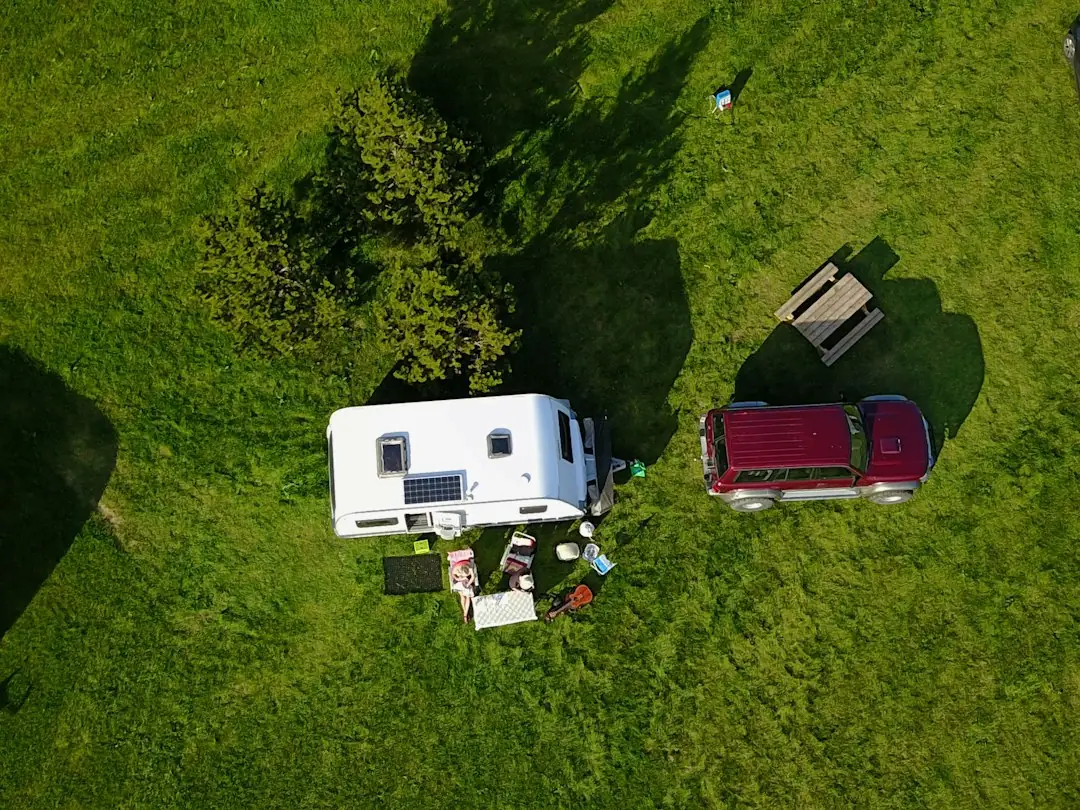
More Americans are hitting the road in RVs than ever before, and that trend has landowners wondering if their property could become the next popular campground destination. If you own raw land or are considering buying acreage for development, an RV park or campground might seem like an attractive investment.
Understanding the RV Park and Campground Market
The outdoor recreation industry has seen steady growth, with RV ownership reaching record levels in recent years. This surge creates genuine demand for new camping facilities, particularly in areas near national parks, beaches, or along major travel corridors. However, jumping into RV park development without understanding the full scope of requirements can be costly.
Market Research Comes First
Before you start planning infrastructure, spend time researching your local market. Drive around and visit existing campgrounds within a 20-mile radius. Are they full on weekends? Do they have waiting lists? Talk to other campground owners if they're willing to share insights. Check online booking platforms to see occupancy rates and pricing in your area.
Consider your target market too. Will you cater to overnight travelers passing through, or are you positioned for week-long vacation stays? The answer affects everything from site layout to amenities you'll need to provide.
Site Selection and Zoning Requirements
Not every piece of land works well for an RV park, even if it's beautiful. You need relatively level terrain (or the budget for significant grading), road access that can handle large vehicles and tow rigs, and proximity to utilities or the ability to develop them cost-effectively.
Zoning Is Your First Major Hurdle
Most counties and municipalities have strict zoning codes that govern where commercial recreational facilities can operate. Your land might be zoned agricultural or residential, which typically won't allow an RV park without a special use permit or rezoning. This process can take six months to two years and there's no guarantee of approval.
Attend planning commission meetings before you buy land specifically for this purpose. Talk to the county planning department about their requirements. Some rural areas welcome this type of development as it brings tourism dollars, while others actively discourage it to maintain the area's character.
If zoning challenges seem insurmountable or your timeline doesn't allow for lengthy approval processes, selling your raw land might make more sense than forcing a development that faces community opposition.
Environmental and Health Department Considerations
Beyond zoning, you'll likely need approval from your state's environmental quality department and local health department, particularly regarding wastewater systems. Soil percolation tests determine whether your land can support septic systems for each RV site. Poor soil drainage can require expensive engineered solutions or connections to municipal sewer systems.
Infrastructure Costs Add Up Quickly
The single biggest surprise for new RV park developers is infrastructure cost. This isn't just about clearing some spaces and putting in picnic tables.
Essential Infrastructure Elements
Utilities for Each Site: Standard RV sites need 30-amp and 50-amp electrical service, potable water hookups, and sewer connections. Expect to spend $3,000 to $8,000 per site just for utility installation, depending on how far you need to run lines.
Roads and Pads: RVs are large and heavy. Your internal roads need to be wide enough for safe maneuvering (typically 20 feet minimum) with appropriate base materials. Each RV pad should be level, well-drained, and stable. Gravel is cheaper initially but asphalt or concrete pads command higher nightly rates and reduce maintenance.
Common Facilities: Most successful RV parks include bathhouses, laundry facilities, and a dump station at minimum. Competitive parks add pools, dog parks, Wi-Fi, cable TV hookups, and recreation halls.
Budget Reality Check
A bare-bones 20-site RV park can easily require $200,000 to $400,000 in infrastructure investment before you welcome your first guest. Upscale resort-style campgrounds can run several million dollars. These numbers don't include land acquisition costs, only development expenses.
Many landowners discover these costs exceed what they're prepared to invest. For properties in South Carolina or other popular recreation areas, the land itself might be worth more as raw acreage than the net return justifies for campground development.
Operational Considerations Beyond Development
Building the park is just the beginning. Running an RV park is an active business that requires daily attention during operating season.
Staffing and Management
Someone needs to check guests in and out, handle reservations, maintain facilities, perform repairs, manage landscaping, and address guest concerns. Many small park owners live on-site and do most of this themselves. Larger operations need paid staff, which significantly impacts profitability.
Seasonal operations (common in northern climates) create feast-or-famine cash flow. You'll earn revenue only during camping season but face year-round loan payments, insurance, and property taxes.
Marketing and Competition
Gone are the days when simply being on a main highway guaranteed business. Modern travelers book through apps and websites, read reviews religiously, and expect professional operations. You'll compete with established campgrounds, Thousand Trails networks, KOA franchises, and even Walmart parking lots offering free overnight stays.
Insurance and Liability
Commercial liability insurance for campgrounds runs significantly higher than typical property insurance. You're inviting the public onto your land, creating exposure to premises liability claims. Adequate coverage is essential but expensive.
Alternative Approaches Worth Considering
If campground development appeals to you but the full infrastructure investment seems daunting, consider starting smaller. Some landowners begin with primitive tent camping or dry camping (RV sites without hookups) to test market demand before investing heavily in utilities.
Agritourism exemptions in some states allow limited camping as an accessory use to working farms without full commercial zoning, though regulations vary widely.
Another option is leasing your land to an experienced campground operator who handles development and management while you receive steady lease income without operational headaches.
Making the Right Choice for Your Land
RV park development can be profitable in the right location with adequate capital and an owner willing to actively manage the business. It's not a passive real estate investment. Before committing, honestly assess whether you have the financial resources, time, and interest to see the project through.
If your land has development potential but RV park economics don't pencil out, or if you'd rather not take on the complexity and risk, that doesn't mean your property lacks value. Raw land in growing areas often appreciates steadily without requiring any development investment from you.
Whether you're evaluating development options or considering a straightforward sale, understanding what your land can realistically support helps you make informed decisions. If you're exploring what your property might be worth as-is, we're happy to discuss your situation and provide a no-obligation assessment.