
What is my land worth
Mineral Rights vs Surface Rights: What Every Landowner Needs to Know
Understand the critical difference between mineral rights and surface rights. Learn how split estates work, what you own, and how it affects your land value.
What Are Surface Rights and Mineral Rights?
When you buy land, you might think you own everything from the sky down to the center of the earth. In reality, property ownership can be split into two distinct components: surface rights and mineral rights. Understanding this distinction is essential whether you're buying raw land, selling property, or simply trying to understand what you actually own.
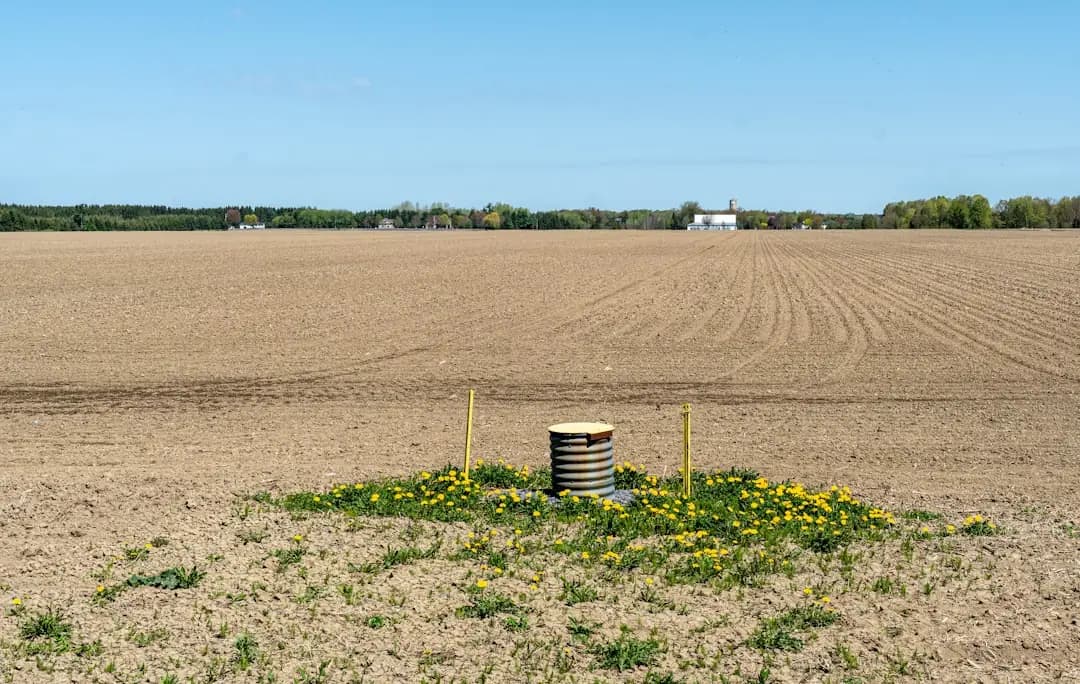
Surface rights give you ownership and control of the land's surface. This includes everything you can see and touch: the soil, trees, buildings, water features, and the right to use the land for agriculture, recreation, or development. If you want to build a house, plant crops, or fence off your property, you're exercising your surface rights.
Mineral rights, on the other hand, grant ownership of everything beneath the surface. This includes oil, natural gas, coal, metals, stone, and other subsurface resources. The owner of mineral rights has the legal authority to extract these resources or lease the rights to someone else who can.
In many states, including Texas and South Carolina, these rights can be separated. This creates what's called a "split estate," where one person owns the surface and another owns the minerals below.
How Split Estates Work in Practice
The Dominant Estate Principle
In most states, mineral rights are considered the "dominant estate." This legal concept means that if someone owns the mineral rights to your land, they generally have the right to access those minerals, even if it means disrupting your surface use. They might need to build roads, drill wells, or install equipment on your property.
This doesn't mean mineral rights owners have unlimited power. They typically must provide reasonable notice, minimize surface damage, and sometimes compensate surface owners for disruption. However, the specific rules vary dramatically by state and by the language in the original deed that severed the rights.
Common Scenarios Where Rights Get Separated
Mineral rights most commonly separate from surface rights in a few situations:
- Historical land grants: In many Western and Southern states, mineral rights were reserved by the government, railroads, or large landholding companies when they sold off surface parcels in the 1800s and early 1900s.
- Estate planning: Family members might inherit surface rights while mineral rights go to different heirs, gradually fragmenting ownership over generations.
- Strategic sales: A landowner sells the surface but retains mineral rights as a potential future income source, or vice versa.
- Corporate reservations: Energy companies purchase mineral rights while leaving surface ownership intact.
What This Means When You Buy or Sell Land
Due Diligence Is Critical
Before you purchase any property, you need a thorough title search that clearly identifies whether you're buying both surface and mineral rights or just one. Many buyers assume they're getting everything, only to discover later that someone else owns the valuable minerals beneath their feet.
If you're considering selling your land, understanding what rights you actually own affects your property's value. Land with both surface and mineral rights intact typically commands a premium, especially in areas with oil, gas, or other valuable mineral deposits. However, even if your mineral rights were severed decades ago, your surface rights still have significant value for development, agriculture, or conservation.
Questions to Ask
When evaluating a property, ask these essential questions:
- Are the mineral rights included in this sale, or were they previously severed?
- If severed, who owns the mineral rights now, and how can I contact them?
- Has there been any mineral exploration or extraction on or near this property?
- What are the state laws regarding surface owner protections?
- Does the property have any existing mineral leases that would transfer with the sale?
Protecting Your Interests as a Surface Owner
If you own only surface rights (or are considering buying land without mineral rights), you're not powerless. Several strategies can help protect your interests:
Review your deed carefully. Sometimes the original severance included language that limits how mineral owners can access the property or requires them to restore the surface after extraction.
Understand your state's laws. Some states have enacted surface owner protection acts that require mineral developers to negotiate surface use agreements, provide notice before operations begin, and compensate for damages.
Consider surface use agreements. If someone wants to develop minerals under your property, you can often negotiate terms that limit where they can drill, what times they can operate, and how they must restore your land afterward.
Explore your own mineral potential. Even if you only own surface rights, understanding what's beneath your land helps you anticipate possible future development and make informed decisions about how you use your property.
Making Informed Land Decisions
The split between mineral rights and surface rights might seem like an obscure legal technicality, but it has real implications for how you can use your land, what it's worth, and what surprises might emerge from beneath the soil.
Whether you're a current landowner trying to understand what you have or you're exploring opportunities to buy land in growing markets, taking time to investigate both surface and mineral rights gives you a complete picture of the property's value and potential.
At She Buys Land, we work with landowners throughout Texas and South Carolina who want straightforward, fair transactions. We understand that mineral rights questions can be complicated, and we're happy to discuss how split estates affect your property's value. If you're ready to sell your land or simply want to understand what you own, reach out to our team for a no-pressure conversation about your options.