
What is my land worth
Getting Access to Landlocked Property: Your Easement Options
Landlocked property can be a challenge, but access easements offer solutions. Learn your legal options, negotiation tips, and what to do before buying land.
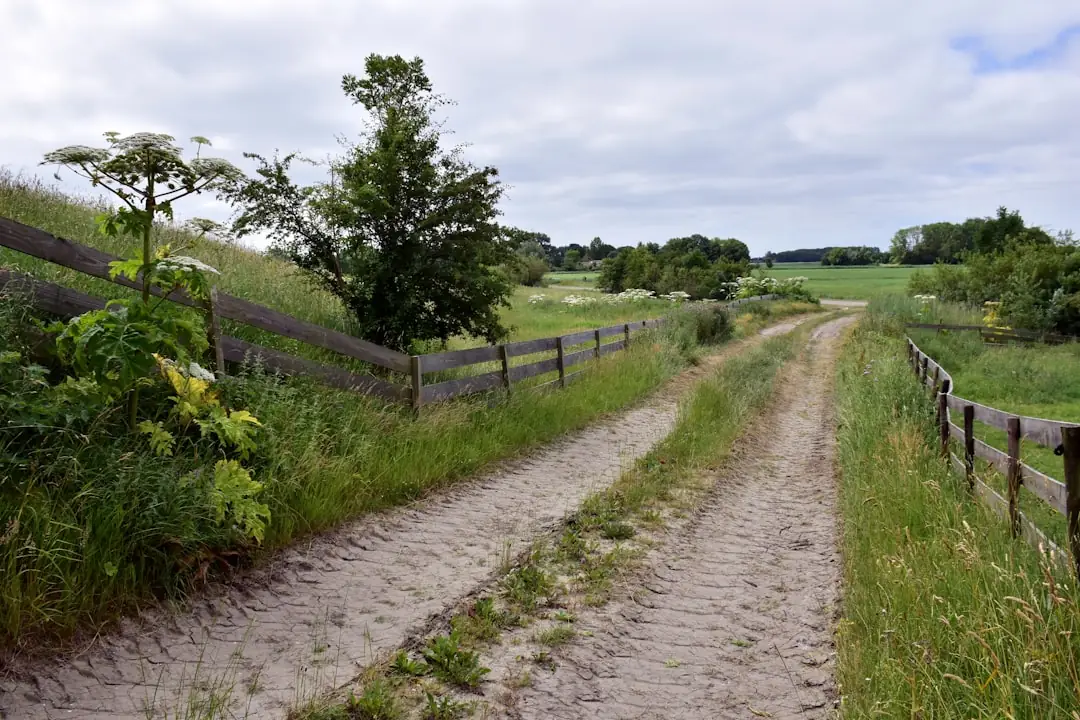
Understanding Landlocked Property and Why Access Matters
If you own land or are considering buying a parcel that doesn't touch a public road, you have what's called landlocked property. Without direct access to your land, you can't build, camp, harvest timber, or even visit without crossing someone else's property. This is where access easements become essential.
An easement is a legal right to use someone else's land for a specific purpose. For landlocked property owners, that purpose is access. Getting an easement can be straightforward or complicated depending on your situation, but understanding your options helps you move forward with confidence.
Types of Access Easements for Landlocked Property
Not all easements work the same way. The type you need depends on your property's history, your neighbors' willingness to cooperate, and state law.
Express Easements
An express easement is the clearest option. This is a written agreement between you and a neighboring property owner that grants you the right to cross their land. The terms are spelled out in a recorded document that attaches to both properties.
Express easements are common when land gets subdivided. If a developer splits one parcel into multiple lots, they typically create access easements so each interior lot can reach the road. When buying land, always check the title report for existing easements. They should be clearly documented.
Implied Easements
Sometimes an easement exists even without a written agreement. Implied easements happen when a single property gets divided and one portion becomes landlocked. Courts recognize that the original owner must have intended to preserve access to both parcels.
For example, if your grandfather owned 40 acres with a road running through it, then split the property and gave you the back 20 acres, an implied easement likely exists over the front parcel's road. You'll probably need legal help to establish this in court if the current owner of the front parcel disagrees.
Prescriptive Easements
A prescriptive easement is similar to adverse possession. If you've been using a path across someone's land openly, continuously, and without permission for a certain period (often 10-20 years depending on state law), you might be able to claim a legal right to keep using it.
Prescriptive easements are hard to prove. You need evidence of long-term use, and the property owner can block your claim by giving you explicit permission, which turns your use into a revocable license instead of a right.
Easements by Necessity
When your property is truly landlocked and no other access exists, you may be able to obtain an easement by necessity through the court system. This legal remedy recognizes that land without access has severely diminished value and usefulness.
Courts generally require proof that your property and the neighboring property were once under common ownership, and that your parcel became landlocked through that division. The easement usually runs across the most practical route to the nearest public road, even if it's not the shortest path.
Negotiating an Access Easement with Neighbors
If you need access and don't have a documented easement, your first step should be talking with your neighbors. Most access disputes get resolved through negotiation rather than litigation.
Start the Conversation Early
Approach your neighbor before you desperately need access. Explain your situation honestly and ask if they'd be willing to grant an easement. Be respectful of their concerns about liability, privacy, and property value.
Offer Fair Compensation
Easements have value. Your neighbor is giving up some control over their land and taking on potential inconvenience. Offer to pay for the easement rights, cover legal costs to document the agreement, and possibly provide ongoing compensation if the access will be heavily used.
Put Everything in Writing
Once you reach an agreement, hire a real estate attorney to draft a proper easement document. Include the exact location and width of the access route, permitted uses, maintenance responsibilities, and any restrictions. Record the easement with your county to make it official and binding on future owners of both properties.
Consider Alternative Routes
If your ideal path crosses a particularly sensitive part of your neighbor's property, ask if an alternative route would work better. Sometimes a slightly longer access road that skirts the edge of their land is easier to negotiate than a direct path through their favorite pasture or hunting area.
What to Do Before Buying Landlocked Property
If you're looking at purchasing property without road access, take these steps before closing:
Review the title carefully. Look for existing easements, recorded agreements, or historical deeds that might establish access rights. A title company or real estate attorney can help identify these.
Walk the potential access routes. Visit the property and neighboring parcels. Look for old roads, trails, or evidence of previous use. Talk with neighbors about historical access patterns.
Research state laws. Access easement rules vary significantly between states. Texas, South Carolina, and other states have different standards for easements by necessity and prescriptive rights.
Get professional help. Before you commit to buying landlocked property, consult with a local real estate attorney who knows property law in that county. They can evaluate your access options and potential costs.
Budget for legal action. If you'll need to establish an easement through the courts, factor those costs into your purchase decision. Court-ordered easements can take months or years and cost thousands in legal fees.
When selling raw land, access issues significantly impact value. A landlocked parcel might sell for 30-50% less than comparable properties with guaranteed road frontage. If you're buying, that discount needs to offset the cost and hassle of securing access rights.
Moving Forward with Your Landlocked Property
Having landlocked property doesn't mean your investment is worthless, but it does require extra work to establish your rights. Most access issues get resolved through friendly negotiation with neighbors, documented express easements, or professional legal help.
Before you buy land anywhere, verify access rights. And if you already own landlocked property, don't wait until you need access urgently to address the issue. Start conversations early, be willing to compensate fairly, and always put agreements in writing.
Land ownership should give you freedom to use and enjoy your property. Getting a proper access easement ensures you have that freedom legally protected for years to come.