
What is my land worth
Institutional Investors in Farmland: What Landowners Should Know
Discover why institutional investors are buying farmland, how it affects rural markets, and what this trend means for independent landowners in South Carolina and Texas.
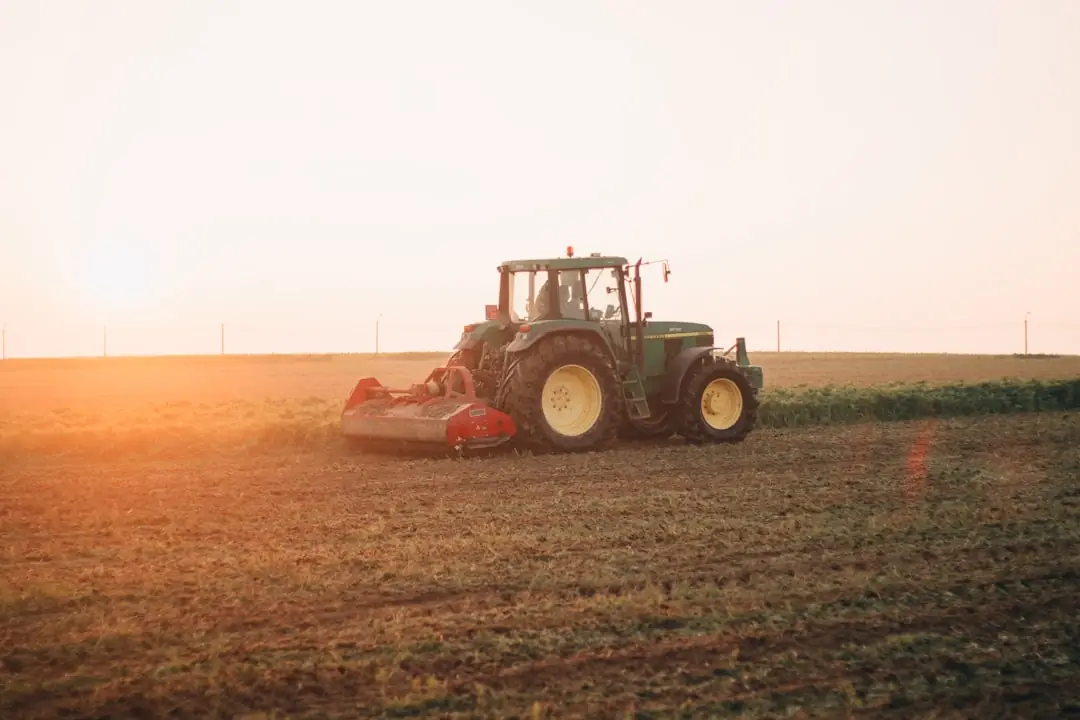
Why Institutional Investors Are Buying Farmland
Institutional investors (think pension funds, university endowments, and private equity groups) have been quietly accumulating farmland across the United States for over two decades. What started as a niche alternative investment has become a significant force in agricultural real estate markets. For individual landowners in states like South Carolina and Texas, understanding this trend matters. It shapes market values, influences what buyers are looking for, and creates new opportunities for those thinking about selling raw land.
Farmland offers something most assets can't: consistent returns with low volatility. Agricultural land historically appreciates around 5-7% annually, produces rental income through crop shares or cash leases, and acts as an inflation hedge. When stocks tumble and bonds underperform, farmland keeps producing food and generating revenue. That stability attracts large institutional portfolios looking to diversify beyond traditional stocks and bonds.
How Institutional Ownership Affects Rural Land Markets
When institutional buyers enter a market, they bring capital and long-term thinking. Unlike individual farmers who might expand gradually, institutions can purchase entire farms or multiple parcels at once. This activity tends to support or raise land values in productive agricultural regions.
For landowners, this creates both opportunities and considerations. On the positive side, institutional interest signals that farmland remains a sound investment. If you own agricultural property in a region with strong soil quality and water access, you're holding an asset class that sophisticated investors actively seek. Properties with water rights or timber value tend to attract particular attention.
On the other hand, institutional buyers often focus on large, contiguous tracts (typically 500+ acres) with proven crop production history. Smaller or less productive parcels might not fit their acquisition criteria. This doesn't diminish the value of smaller holdings, it just means the buyer pool looks different.
The Texas and South Carolina Markets
Texas and South Carolina present distinct opportunities within the institutional farmland narrative. Texas offers vast scale, diverse agricultural uses (cattle, cotton, hay, pecans), and mineral rights potential. South Carolina provides timber production, row crop potential in coastal plains, and growing interest in specialty agriculture.
Both states have seen increased investor interest over the past decade. Texas land values rose substantially in areas with water availability, while South Carolina's timber and agricultural land attracted both domestic and international capital. If you're considering selling land in South Carolina or Texas, understanding what institutional and serious individual buyers value helps you position your property effectively.
What Institutional Investors Look For in Farmland
Institutional buyers evaluate farmland through a rigorous lens. Their criteria typically include:
Soil Quality and Water Access
Prime farmland with productive soils ranks highest. Class I and II soils (the USDA's top classifications) command premium prices. Reliable water sources, whether through rainfall, irrigation rights, or aquifer access, add significant value. Properties with senior water rights or deeded water allocations often attract multiple competing offers.
Income Potential and Tenant Quality
Most institutional investors don't farm the land themselves. They lease to experienced operators under long-term agreements. Properties with existing farm leases, especially with creditworthy tenants, become more attractive. Clean title, clear boundaries, and minimal encumbrances matter greatly in these transactions.
Size and Contiguity
Economies of scale drive institutional preferences toward larger tracts. A 1,000-acre contiguous property typically sells for a higher per-acre price than ten separate 100-acre parcels, even if the soil quality is identical. Consolidation potential (the ability to acquire adjacent parcels over time) also factors into their analysis.
Location and Market Access
Proximity to grain elevators, processing facilities, and transportation infrastructure affects both operating costs and land values. Counties with strong agricultural extension services, active farm communities, and established commodity markets rank higher than isolated rural areas with limited support infrastructure.
Opportunities for Individual Landowners
The presence of institutional capital in farmland markets creates several pathways for individual landowners:
If you own productive farmland but don't want to operate it yourself, the lease market has never been stronger. Quality farm operators actively seek additional acreage, and institutional landlords have set competitive lease rate benchmarks that benefit all landowners.
For those looking to exit land ownership entirely, the depth of the buyer pool means qualified purchasers exist across most price points. Whether you're selling land in Texas or another state, having institutional players in the market generally supports values, even if your specific property doesn't fit their acquisition criteria. Their activity creates upward price pressure that benefits all sellers.
Some landowners use the current environment to reposition their holdings. Selling less productive or poorly located parcels while the market remains strong, then potentially acquiring better positioned land (or exiting land ownership to pursue other opportunities) makes strategic sense for many families.
Making Informed Decisions About Your Land
Understanding the institutional farmland trend doesn't require you to sell or change your plans. It simply adds context to the broader land market. Whether you farm your property, lease it out, hold it for long-term appreciation, or consider selling, knowing that sophisticated investors view farmland as a valuable asset class validates what many rural landowners have always known: good land is a finite, productive resource that holds value across generations.
If you're evaluating options for your property, working with buyers who understand both the financial and personal aspects of land ownership matters. At She Buys Land, we purchase properties directly, offering straightforward transactions without listing contingencies or extended timelines. We understand that every landowner's situation is unique, and we tailor our approach accordingly. Whether your property would appeal to institutional investors or not, we're interested in having a conversation about your land and your goals. Reach out today to discuss your options with someone who values both the land and the people who own it.