
Land investing
Conservation Easement Income Tax Benefits: What to Know
Learn how conservation easements can reduce your income tax burden while protecting your land. Understand deductions, limits, and what landowners need to know.
Understanding Conservation Easement Tax Benefits
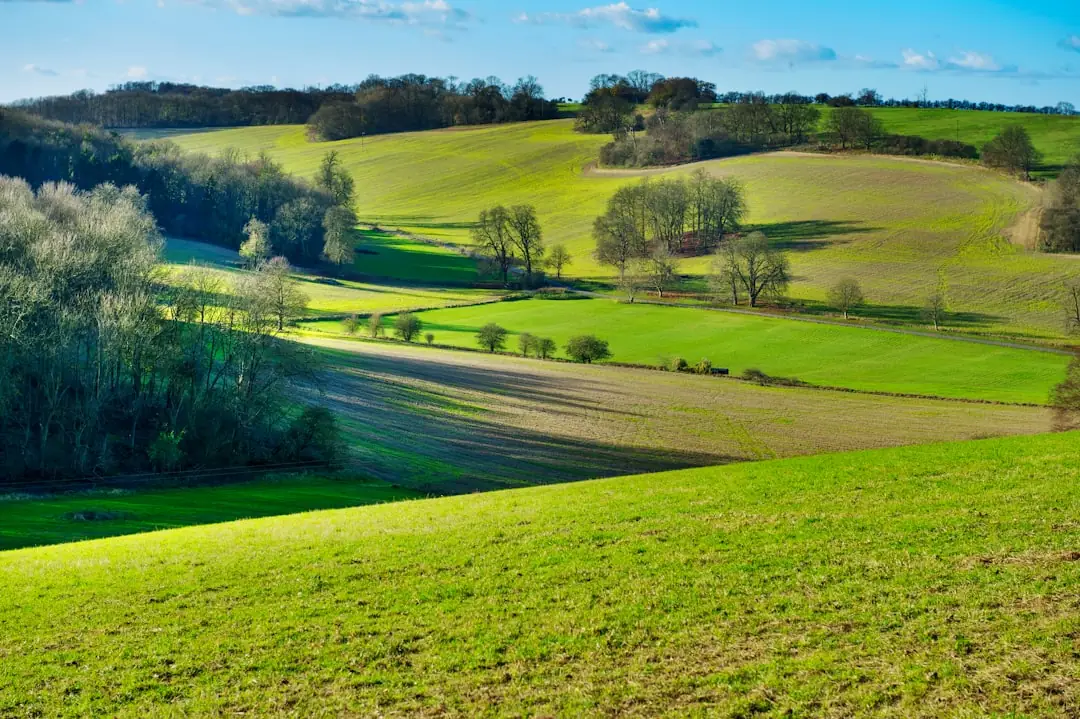
If you own undeveloped land and care about its future, a conservation easement might offer significant income tax advantages while protecting your property's natural character. A conservation easement is a legal agreement where you voluntarily restrict certain uses of your land to preserve its conservation values (think wildlife habitat, scenic views, or agricultural potential). In exchange, the IRS allows you to claim a charitable deduction based on the reduction in your property's fair market value.
This isn't a decision to rush into. The tax benefits can be substantial, but the process involves appraisals, legal documentation, and long-term commitments. Here's what landowners need to understand about conservation easement income tax deductions.
How Conservation Easement Tax Deductions Work
The Basic Mechanics
When you donate a conservation easement to a qualified land trust or government entity, you're giving up certain development rights forever. Let's say your 50-acre tract is worth $500,000 as developable land but only $300,000 with conservation restrictions in place. That $200,000 difference becomes your charitable deduction.
The IRS treats this as a donation to a qualified organization under Section 170(h) of the tax code. You'll need a qualified appraisal that documents the property's value before and after the easement. The appraiser must be certified and independent, and the easement itself must meet strict conservation purposes (protection of habitat, open space, historic land, or certified farming/forestry land).
Deduction Limits and Carryforward Provisions
You can't just write off the entire value in one year. For most taxpayers, the deduction is limited to 50% of your adjusted gross income (AGI) in any given year. If you're a qualified farmer or rancher, that limit increases to 100% of AGI.
Here's the upside: if your deduction exceeds these limits, you can carry forward the unused portion for up to 15 additional years. For a landowner with a $200,000 easement value and $80,000 annual AGI, you could deduct $40,000 per year (50% of AGI) and carry forward the remaining balance across multiple tax years. This extended carryforward period (increased from five years under prior law) makes conservation easements particularly attractive for landowners who may not have massive incomes but hold valuable property.
What Qualifies as a Conservation Easement
Conservation Purpose Requirements
Not every land restriction qualifies for tax benefits. The IRS requires that your easement serve one of these specific conservation purposes:
- Habitat protection: Preserving land for endangered species or natural ecosystems
- Open space preservation: Maintaining scenic views or land for public recreation or education
- Historic land preservation: Protecting historically important land areas
- Certified farming or forestry: Keeping land in agricultural or sustainable timber production
The easement must be perpetual (forever) and granted to a qualified organization. Temporary restrictions don't count. The receiving organization (typically a land trust accredited by the Land Trust Alliance) must have the resources and commitment to monitor and enforce the easement in perpetuity.
Property Eligibility
Your land needs genuine conservation value. A generic vacant lot in a developed area likely won't qualify, but rural acreage with active timber production, watershed protection features, or documented wildlife habitat stands a much better chance.
The property must also be legally described with clear boundaries, and you'll need a baseline documentation report that photographs and maps the current condition of the land. This baseline becomes the reference point for monitoring compliance over time.
The Application and Valuation Process
Working With Qualified Appraisers
The appraisal is everything. The IRS scrutinizes conservation easement valuations heavily, and many claims have been challenged or disallowed due to inflated appraisals. Your appraiser must:
- Hold recognized credentials (MAI or similar designation)
- Have no conflict of interest with you or the land trust
- Use appropriate comparable sales and methodology
- Consider what a hypothetical buyer would actually pay
Expect to pay $5,000 to $15,000 or more for a credible appraisal on a significant conservation easement. Lowball appraisals from unqualified appraisers will trigger IRS audits and potential penalties. If you're considering selling your land in South Carolina or selling in Texas instead, the cash proceeds may be more straightforward than navigating the easement process.
Documentation and Form 8283
For deductions over $5,000, you'll file Form 8283 (Noncash Charitable Contributions) with your tax return. This form requires:
- Detailed property description
- Date of contribution
- Appraised fair market value
- Method of valuation
- Signature from the receiving organization
- Appraiser's signature and declaration
For deductions over $500,000, you must also attach the full qualified appraisal to your return. Missing or incomplete documentation is the fastest path to having your deduction denied.
Is a Conservation Easement Right for Your Land?
Conservation easements work beautifully for landowners who want to preserve their property's character, reduce estate tax burdens, and claim significant income tax deductions over many years. They're particularly powerful if you have substantial land holdings but modest annual income, since the extended carryforward lets you maximize the benefit.
The downsides? You're making a permanent decision. Future generations can't undo it, and your land's resale value will reflect the restrictions. If your family might want to develop or subdivide the property someday, an easement eliminates those options.
Before committing to a conservation easement, consult with both a qualified tax advisor and a real estate attorney who understands conservation law. And if you'd rather convert your land to cash now and let someone else handle the long-term stewardship questions, that's a valid path too. At She Buys Land, we purchase raw, undeveloped properties throughout South Carolina and Texas. If the conservation easement process feels too complex or you simply need liquidity now, reach out for a straightforward cash offer with no appraisal hassles or perpetual restrictions.