
Selling your land
Should You Clear Land Before Selling? A Landowner's Guide
Wondering if clearing land before selling is worth it? Learn when it makes sense, what buyers want, and how much clearing actually adds to your property value.
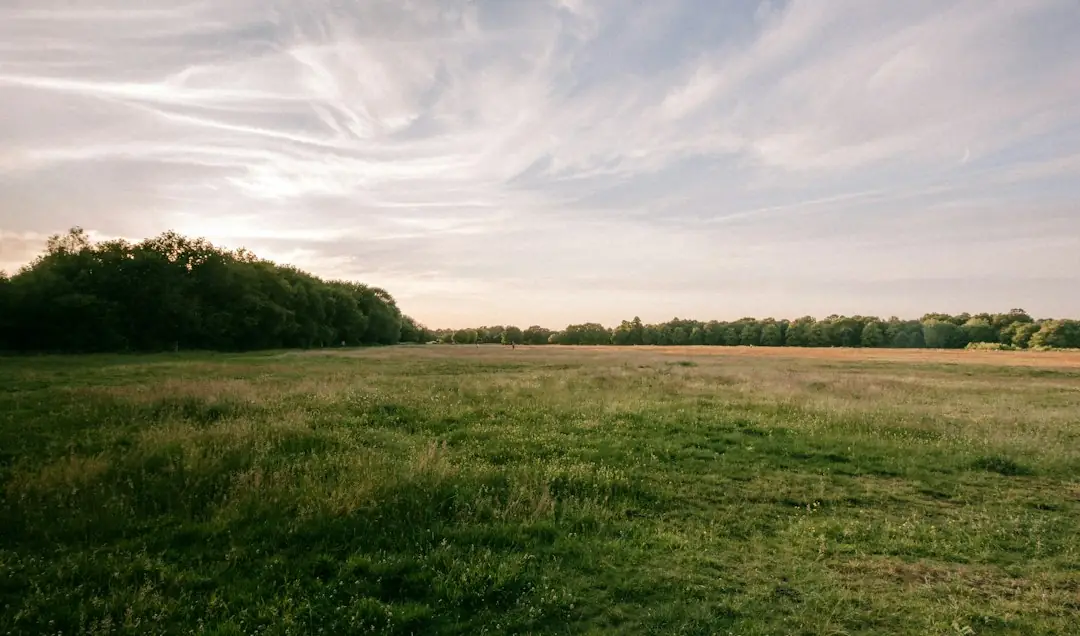
Should You Clear Your Land Before Listing It?
Many landowners think they need to invest thousands in clearing brush, trees, and debris before putting their property on the market. The truth is more nuanced. Whether clearing makes financial sense depends on your buyer pool, location, and what kind of land you're selling.
Let's walk through when clearing helps, when it hurts, and what actually matters to buyers who want raw land.
What Clearing Land Before Selling Really Costs
Typical Clearing Expenses
Land clearing isn't cheap. Costs vary widely based on terrain, vegetation density, and access:
- Light brush clearing: $500-$2,000 per acre
- Medium tree and brush removal: $2,000-$4,000 per acre
- Heavy forest clearing with grading: $4,000-$6,000+ per acre
- Stump removal: add $150-$300 per stump
- Debris hauling: $500-$2,000+ depending on volume
For a typical 5-acre parcel with moderate vegetation, you're looking at $10,000-$20,000 minimum. That's real money that you'll need to recoup through a higher sales price.
Will You Recover the Cost?
Here's the hard reality: partial clearing rarely adds dollar-for-dollar value. You might spend $15,000 clearing three acres and only see a $5,000-$8,000 increase in market value. Buyers who want cleared land often want it done their way, to their specifications. Your cleared pad might not be where they wanted to build.
When Clearing Land Makes Sense
There are situations where some clearing is worth the investment.
Improving Road Access and Visibility
Clearing overgrown vegetation along the road frontage helps buyers see and access the property. If your land is invisible from the street or the driveway is completely overgrown, spending $1,000-$3,000 on access clearing can make a real difference. Buyers need to physically get onto the land to evaluate it.
Creating a Building Envelope
If your property has one obvious home site, clearing a small pad (quarter to half acre) can help buyers visualize living there. This works best when:
- The natural topography suggests one clear building spot
- Local buyers expect some degree of site prep
- You're selling in a market where most comparable properties are partially cleared
Revealing Property Features
Sometimes thick brush hides the best parts of your land. If you have a pond, creek, hilltop views, or unique rock formations buried in vegetation, selective clearing can showcase these features. Focus on revealing, not removing. Cut sight lines and walking paths rather than bulldozing everything.
When You Should Leave Land As-Is
Buyers Often Prefer Wooded Property
Many land buyers specifically want trees and natural cover for privacy, wildlife habitat, hunting, or simply the aesthetic. If you're selling in South Carolina or Texas where timber and natural landscapes have value, selling raw land in its natural state often attracts more buyers than cleared dirt.
Clearing Costs More Than You'll Gain
If your property is heavily wooded with mature timber, the clearing cost might exceed any value increase. A buyer who wants cleared land can get quotes and clear it to their exact specifications after closing. You'll spend less time and money marketing the property as-is.
Environmental and Zoning Considerations
Some areas have strict clearing regulations, wetland protections, or tree preservation ordinances. Clearing without proper permits can result in fines and actually reduce your property value. Before you touch a chainsaw, check local requirements. You might discover that partial clearing requires expensive erosion control measures or environmental studies.
What Buyers Actually Care About
When evaluating raw land, buyers focus on these factors more than whether it's cleared:
- Road access: Is there legal, year-round access?
- Utilities: How close are power, water, and septic options?
- Topography: Is the land buildable or all steep slopes?
- Zoning: What can they actually do with the property?
- Title clarity: Are there liens, easements, or boundary disputes?
- Price: Is it priced fairly for the market?
A well-documented, accurately surveyed, fairly priced property with clear title will sell faster than an overpriced cleared lot with access problems.
Smart Alternatives to Full Clearing
Minimal Maintenance Clearing
Instead of expensive excavation work, consider basic maintenance:
- Mow road frontage and driveway entrance
- Clear walking paths to key features
- Remove obvious trash or debris
- Trim back branches blocking access
This costs a few hundred dollars and dramatically improves first impressions without the commitment of full clearing.
Let the Buyer Choose
Some sellers get clearing quotes and include them in the listing information. This shows buyers exactly what clearing would cost without you spending the money upfront. It positions you as helpful while protecting your investment.
Price It Right Instead
Often the best strategy is pricing your uncleared land competitively rather than clearing it and raising the price. A property listed at $45,000 as-is will often sell faster than the same property cleared and listed at $60,000.
The Bottom Line on Clearing Before Selling
For most raw land sellers, minimal clearing focused on access and visibility delivers the best return. Full clearing rarely makes financial sense unless you're subdividing and marketing developed lots. If you're selling a few acres of raw land in South Carolina or undeveloped property in Texas, your best bet is usually showcasing the property's natural state while ensuring buyers can easily evaluate it.
Focus your energy on accurate surveys, clear title work, honest marketing, and fair pricing. These factors will do more for your sale than clearing ever could. And remember that many land buyers, especially those looking for recreational property or future development sites, prefer working with a natural canvas rather than someone else's cleared vision.
If you'd rather skip the guesswork about clearing, pricing, and marketing altogether, She Buys Land purchases raw property as-is. No clearing required, no repairs needed, and you can close on your timeline.