
Selling your land
Capital Gains Tax When Selling Land: What You Need to Know
Understand capital gains tax on land sales. Learn how to calculate your tax liability, explore exemptions, and discover strategies to minimize what you owe.
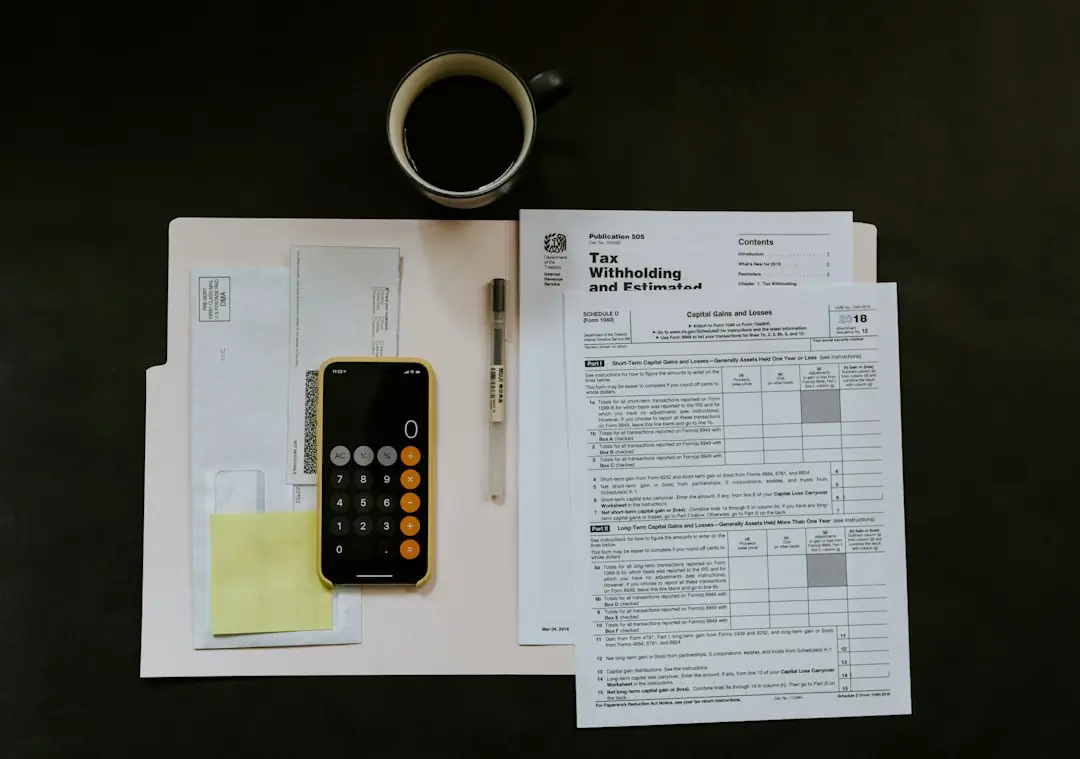
Understanding Capital Gains Tax on Land Sales
Selling land can trigger a significant tax event that catches many landowners off guard. Unlike selling a primary residence (which often comes with tax exclusions), raw land sales typically face full capital gains taxation. The good news is that understanding how this tax works can help you plan ahead and potentially reduce what you owe.
Capital gains tax applies to the profit you make when selling an asset for more than you paid. For land, this means the difference between your sale price and your original purchase price (adjusted for certain expenses). The rate you pay depends on how long you've owned the property and your income bracket.
Short-Term vs. Long-Term Capital Gains
Short-Term Capital Gains (Less Than One Year)
If you sell land you've owned for less than a year, any profit is taxed as ordinary income. This means it's added to your regular income and taxed at your normal income tax rate, which can range from 10% to 37% depending on your tax bracket. Short-term gains receive no special treatment, making them the least tax-efficient way to sell property.
Long-Term Capital Gains (More Than One Year)
Hold your land for more than a year before selling, and you'll qualify for long-term capital gains rates. These are significantly lower: 0%, 15%, or 20% depending on your taxable income. Most middle-income taxpayers fall into the 15% bracket. This rate difference alone can save thousands of dollars, which is why timing matters when planning a land sale.
For landowners considering selling land in South Carolina or other states, the holding period often makes a substantial difference in net proceeds.
Calculating Your Cost Basis
Your cost basis determines how much of your sale price is actually taxable profit. Start with what you originally paid for the land, then add qualifying expenses:
- Purchase price and closing costs
- Title insurance and legal fees
- Survey costs
- Certain improvement costs (clearing, grading, utilities)
- Property taxes you paid (if you elected to add them to basis)
Subtract any depreciation you claimed if you used the land in a business. Your adjusted basis is what you subtract from the sale price to find your taxable gain.
Example Calculation
Let's say you bought 10 acres for $50,000 five years ago. You paid $2,000 in closing costs and spent $5,000 grading a buildable pad. Your adjusted basis is $57,000. If you sell for $80,000, your capital gain is $23,000. At the 15% long-term rate, you'd owe approximately $3,450 in federal capital gains tax.
State taxes may also apply depending on where your property is located. Understanding the costs of selling land helps you plan for the complete financial picture.
Strategies to Minimize Capital Gains Tax
1031 Exchange
A 1031 exchange allows you to defer capital gains tax by reinvesting proceeds into a similar property. This strategy works well for investors but requires strict timelines (45 days to identify replacement property, 180 days to close). You'll need a qualified intermediary to handle the transaction, and the replacement property must be of equal or greater value.
Installment Sales
Selling on an installment plan spreads your gain over multiple years, potentially keeping you in a lower tax bracket each year. You pay tax only on the portion of gain you receive annually. This works particularly well when selling land without a realtor, as you maintain more control over terms.
Harvest Tax Losses
If you have other investments showing losses, selling them in the same year can offset your land sale gains. Capital losses can offset capital gains dollar-for-dollar, and up to $3,000 of ordinary income if losses exceed gains.
Donate a Portion
Donating part of your land to a qualified charity before selling can provide a charitable deduction while reducing your taxable gain. This strategy requires careful planning and appraisals but can benefit both your tax situation and a cause you support.
Special Situations and Exemptions
Inherited Land
If you inherited land, you typically receive a "step-up" in basis to the property's fair market value on the date of the original owner's death. This can dramatically reduce or eliminate capital gains tax when you sell. Many heirs are surprised to learn they owe little or no tax thanks to this provision.
Primary Residence Conversion
If you build a home on your land and live there as your primary residence for at least two of the five years before selling, you may qualify for the $250,000 ($500,000 for married couples) capital gains exclusion. However, only the portion attributable to the home and a reasonable amount of surrounding land typically qualifies.
Qualified Opportunity Zones
Investing capital gains into Qualified Opportunity Zone funds within 180 days of sale can defer and potentially reduce your tax liability. This program encourages investment in designated economically distressed areas.
Working with Professionals
Capital gains tax rules are complex and change periodically. A qualified tax professional can help you navigate your specific situation, especially if you're dealing with inherited property, installment sales, or considering a 1031 exchange. The cost of professional advice often pays for itself in tax savings.
Documentation is critical. Keep detailed records of your purchase price, improvements, and selling expenses. The IRS may request proof of your basis years after a sale, and reconstructing records becomes difficult over time.
Plan Ahead for Better Outcomes
The key to minimizing capital gains tax is planning before you sell. If you're approaching the one-year ownership mark, waiting a few months could save thousands. If you're considering improvements, understanding which expenses increase your basis can guide your decisions.
For landowners ready to sell, companies that buy land directly often provide faster closings and fewer complications than traditional sales. If you're exploring your options, selling land in Texas or other states through a direct buyer can simplify the process while you focus on tax planning.
Capital gains tax is a real cost of selling land, but it shouldn't prevent you from making smart financial decisions. With proper planning and professional guidance, you can minimize your tax burden and maximize your net proceeds. Understanding these rules puts you in control of the outcome.