
What is my land worth
Buying Land in a Flood Zone: Understanding the Real Risks
Considering land in a flood zone? Learn how to assess flood risk, check FEMA maps, evaluate costs, and decide if that property is worth buying.
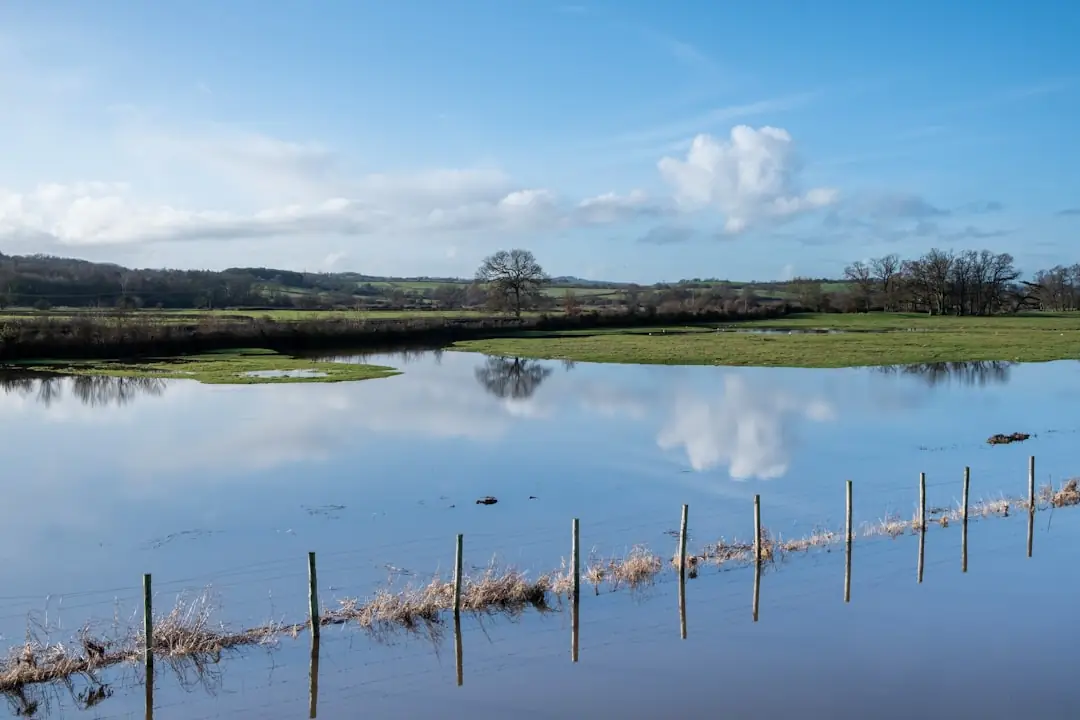
Understanding Flood Zones Before You Buy
Flood zones aren't deal-breakers, but they're definitely decision-makers. If you're looking at a piece of land and discover it sits in a designated flood zone, you need to understand what that means for building, insurance costs, and long-term value. Many buyers skip this step and regret it later when permit applications get denied or insurance premiums balloon. Let's break down what flood zones actually are and how to evaluate whether a property in one makes sense for your goals.
What FEMA Flood Zones Mean
The Federal Emergency Management Agency (FEMA) maps flood risk across the United States using letter designations. Zone X or Zone C indicates minimal flood risk. Zone A means a 1% annual chance of flooding (the 100-year floodplain). Zone V applies to coastal areas with additional wave action. Each zone carries different building requirements, insurance mandates, and development restrictions. Before you make an offer on any land, pull the FEMA Flood Map for that parcel. This is public information available through FEMA's Map Service Center, and it's the first document any lender or builder will request.
Why Location Matters More Than You Think
Flood zones shift over time as weather patterns change and development alters drainage. A property that was Zone X ten years ago might now sit in Zone AE because upstream construction redirected water flow. When you're buying land in Texas, pay special attention to flood zone updates in counties like Harris or Brazoria, where heavy rainfall and hurricanes create real flood risk. Similarly, buying land in South Carolina requires checking coastal flood maps and understanding how tidal influences affect low-lying parcels. The point is this: don't rely on old information or a seller's memory. Check current maps and ask the county about any planned remapping projects.
The Real Costs of Owning Land in a Flood Zone
Flood zone designation doesn't just affect whether you can build. It affects how much everything costs and whether lenders will finance your project.
Insurance Requirements and Premiums
If you have a mortgage on land in a Special Flood Hazard Area (SFHA), federal law requires flood insurance. This isn't optional. Even if you own the land outright, you'll need flood insurance to get a construction loan later. Annual premiums vary widely based on flood zone, elevation, and the structure you plan to build. In high-risk zones, expect premiums between $1,500 and $3,000 per year or higher. For raw land without structures, some buyers skip insurance initially, but that's a gamble. One major flood event can devalue your property permanently or bury it under sediment that costs thousands to remove.
Building Restrictions and Elevation Requirements
Most flood zones require new construction to sit above the Base Flood Elevation (BFE). That means elevated foundations, raised slabs, or pier-and-beam systems. Each adds $15,000 to $40,000 or more to your build costs depending on how much elevation you need. Some counties also restrict septic system placement in flood zones, limit impervious surfaces, or require special drainage plans. Before you buy, talk to the county building department. Ask about setbacks, BFE requirements, and any overlay districts that might add restrictions beyond FEMA's basic rules.
How to Evaluate Whether a Flood Zone Property Is Worth It
Not all flood zone land is bad land. Some parcels offer great value if you understand the trade-offs and plan accordingly.
Consider Your Intended Use
If you're buying land for agriculture, timber, or recreation, flood zone designation matters less. Crops and trees can handle periodic flooding. A hunting cabin on piers works fine in Zone A. But if you're planning a primary residence or commercial building, flood zones add complexity and cost that might kill your project's financial feasibility. When we buy land in South Carolina, we see plenty of flood zone parcels that work beautifully for certain uses and terribly for others. Match your use to the land's actual capabilities, not your wishful thinking.
Run the Numbers on Mitigation
Sometimes you can mitigate flood risk through grading, drainage improvements, or applying for a Letter of Map Amendment (LOMA) if the property is actually above BFE but mapped incorrectly. A survey showing existing elevation above BFE can remove flood zone requirements entirely. This costs $1,500 to $3,000 for the survey and application but can save tens of thousands in insurance and construction costs. Other times, mitigation isn't realistic. If the land sits in a floodway (the deepest part of the flood zone where water flows fastest), building may be prohibited entirely. Know which scenario applies before you close.
Compare Purchase Price to Market Value
Flood zone land typically sells at a 10% to 30% discount compared to similar non-flood zone parcels. If the discount is steep enough and your intended use isn't affected by the designation, you might have found a solid deal. But if the seller is pricing the land as if it's buildable and it's actually in a floodway, you're about to overpay for land you can't develop. Do your homework. Pull comps. Talk to local builders about real costs. And if the numbers don't work, walk away.
Making the Final Decision
Buying land in a flood zone isn't inherently risky if you go in with your eyes open. Get the FEMA map. Talk to the county. Budget for insurance and elevated construction. Understand how climate change may affect flood risk over the next 20 to 30 years. And most importantly, make sure your intended use matches the land's capabilities. If you've done all that and the numbers still work, a flood zone property might be exactly what you need.
If you own land in a flood zone and realize it's not right for your plans, we buy raw land in its current condition. You don't need to fix drainage, elevate anything, or fight with FEMA. We handle the complexity so you can move forward.