
What is my land worth
How Utility Access Affects Land Value When Buying Property
Utility access can make or break a land deal. Learn how water, power, and sewer connections impact property value and what to check before you buy.
Why Utility Access Matters More Than You Think
When you're looking at raw land, the view might be perfect and the price might seem right. But here's what separates a smart land purchase from a money pit: utility access. The difference between land with utilities at the property line and land that needs a half-mile extension can easily be $50,000 or more. Before you make an offer, you need to understand exactly what's available and what it will cost to bring services to your future building site.
The Four Essential Utilities That Impact Land Value
Electricity: Your First Priority
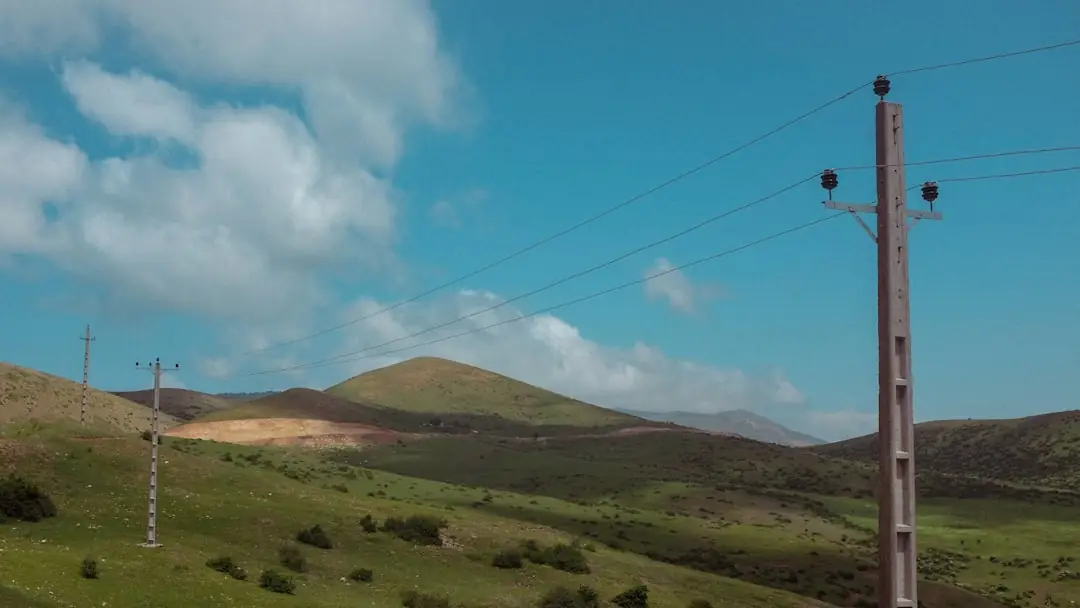
Electric service is usually the most straightforward utility to evaluate. Most power companies will extend lines to your property, but you'll pay for every foot of wire between the nearest transformer and your building site. In rural areas, expect to pay $15 to $50 per foot for overhead lines. Underground service costs more but looks better and weathers storms more reliably.
Call the local utility company with your parcel number before you buy. They'll tell you the nearest connection point and give you a cost estimate. Some sellers advertise "power at the road" but that road might be a quarter-mile from where you want to build. Get specific distances and written quotes.
Water: Well vs. Municipal Supply
Water access splits into two categories. Municipal water means a pipe runs along your property with enough pressure to serve a home. You'll pay tap fees (typically $2,000 to $10,000) plus the cost of running a service line to your building site.
No municipal water? You're drilling a well. Well costs vary wildly by region and depth. In Texas, shallow wells might cost $5,000. In rocky terrain or areas with deep water tables, you could spend $30,000 or more. The previous owner's well depth and flow rate (if there's an existing well) gives you a baseline, but there's never a guarantee.
Some land looks perfect until you discover the water table is 800 feet down or the water quality requires expensive treatment systems. Understanding what makes land valuable means looking past the surface features to the practical realities underneath.
Sewer and Septic: The Hidden Cost
Municipal sewer is the gold standard but rarely available for rural land. Most buyers install septic systems, which work well when properly sized and maintained. A standard septic system for a three-bedroom home runs $8,000 to $15,000 in most markets.
The catch? Your soil has to pass a percolation test. Rocky soil, high water tables, or small lots can force you into alternative systems costing $20,000 to $40,000. Some counties require these perc tests before you can even get a building permit. Ask the seller if a recent perc test exists and what it showed.
Internet and Phone: The New Essential
Ten years ago, internet access was a nice-to-have. Today, it's essential for remote work, online business, and basic quality of life. Rural areas often lack fiber or cable service. Check whether high-speed internet is available through DSL, fixed wireless, or satellite providers like Starlink.
Cell phone coverage matters too. Drive the property at different times of day and test your signal. Dead zones are common in valleys and heavily wooded areas. This isn't technically a utility, but poor connectivity affects property value just as much as missing water service.
How to Evaluate Utility Costs Before You Buy
Request a Utility Letter from the Seller
Ask the seller to provide documentation showing which utilities are available and where connection points exist. Reputable sellers will have this information ready. If they don't, that's your job during due diligence.
Get written estimates from utility providers. Email your county parcel number to the electric company, water district, and any other relevant providers. Most will respond within a week with connection costs and availability. These estimates protect you from expensive surprises after closing.
Calculate Total Development Costs
Add up all utility connection costs, then add 20% for contingencies. Include these numbers in your buying decision:
- Electric line extension: $___
- Well drilling or water tap: $___
- Septic system installation: $___
- Driveway and site prep: $___
- Internet installation: $___
If these costs push your total investment beyond the property's finished value, walk away. When evaluating whether land is a good investment, utility costs are often the difference between profit and loss.
Factor Utilities Into Your Offer Price
Land with all utilities at the property line commands premium prices for good reason. It's ready to build on. Land that needs $40,000 in utility extensions should sell for significantly less than comparable property with utilities in place.
Use your utility cost estimates to negotiate. If the seller is asking $80,000 but you'll spend $35,000 on utilities, you're really paying $115,000 for buildable land. Make sure that total number makes sense for the area.
Common Utility Access Scenarios
Partially Improved Land
Many rural properties have one or two utilities available but not all four. You might find land with electricity and well water but no sewer service. Or power at the road but no water system nearby. These partial improvements reduce your development costs but still require planning and budgeting for the missing pieces.
Off-Grid Properties
Some buyers specifically want off-grid land where they'll generate their own power, collect rainwater, and use composting toilets. These properties typically sell at a discount because most buyers need conventional utilities. If you're buying off-grid land, make sure local building codes allow alternative systems. Some counties require grid connections regardless of your preferences.
Platted Subdivisions
Land in platted subdivisions often includes utility stubouts at each lot line. The developer paid for main line extensions, so your connection costs are minimal. These lots cost more per acre but save you tens of thousands in development expenses. Understanding lot value drivers helps you compare subdivision lots to raw acreage fairly.
Red Flags That Should Stop You From Buying
Walk away if the seller can't or won't provide utility information. This isn't a small detail you can figure out later. It's fundamental to the property's value and usability.
Be cautious when utility companies can't give you firm cost estimates. If they say "maybe" or "we'll need to study it," that's code for "this might be expensive or impossible." Get clear answers before you commit.
Watch out for easement issues. Sometimes the nearest utility connection requires running lines across neighboring property. You'll need recorded easements, and that neighbor might say no or demand payment. Never assume you can cross someone else's land without legal documentation.
Making Smart Land Buying Decisions
Utility access doesn't just affect your development costs. It determines who will buy the property if you resell it. Land without practical utility access appeals to a much smaller buyer pool. That limits your future options and reduces long-term value appreciation.
Before you buy, get everything in writing. Collect utility letters, cost estimates, and county records showing what's available. Budget realistically for what's missing. And remember that the cheapest land per acre often becomes the most expensive once you factor in development costs.
If you own land that's difficult to develop due to utility challenges, selling to a company that buys raw land might make more sense than investing in expensive improvements. Not every property justifies the cost of bringing in utilities, and that's okay. The key is making informed decisions based on accurate numbers rather than optimistic guesses.