
What is my land worth
Land Title Issues & Due Diligence: What Buyers Need to Know
Discover common land title issues and due diligence steps that protect your investment. Learn what to check before buying raw land in South Carolina or Texas.
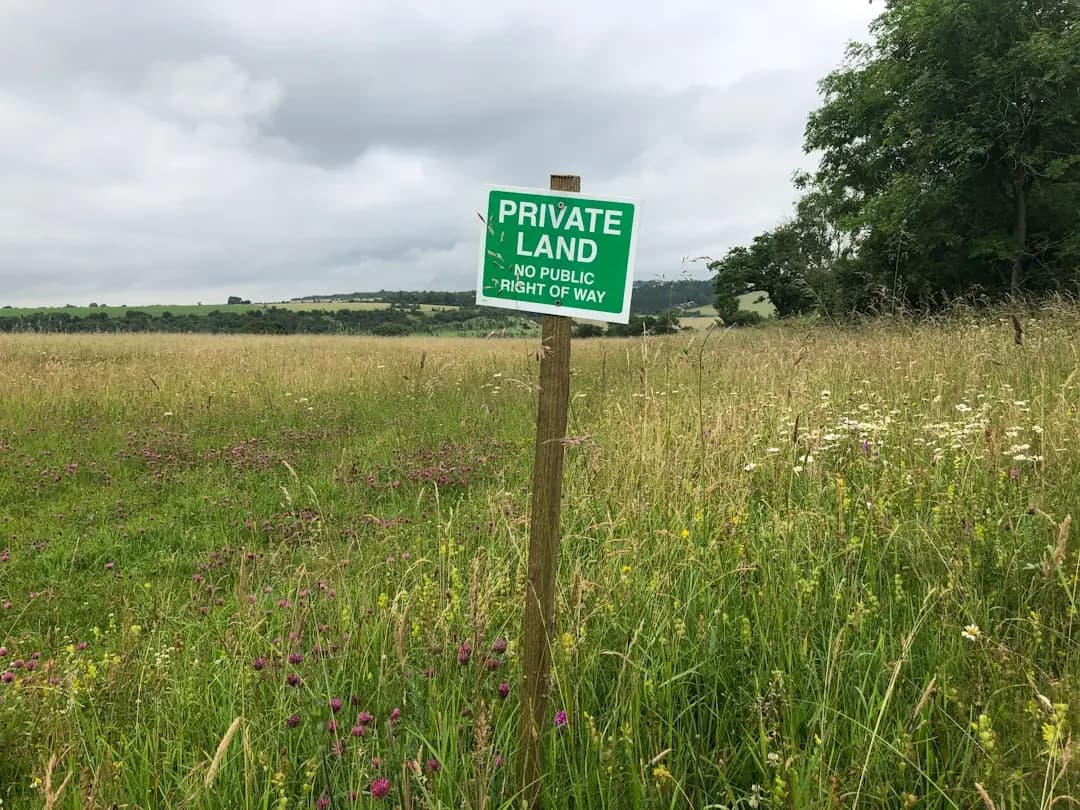
Understanding Title Issues Before You Buy Raw Land
Buying raw land feels different from purchasing a house. There's no structure to inspect, no roof to replace, and no plumbing to test. But just because the property looks empty doesn't mean it's free of complications. Title issues can turn your dream acreage into a legal headache, and proper due diligence is the only way to catch problems before closing.
A clean title means you're the rightful owner with full rights to use, sell, or develop the property. When title issues exist (liens, easements, disputed boundaries, or unclear ownership chains), you might discover you can't build where you planned, or worse, that someone else has a legal claim to part of your land. Let's walk through what to watch for and how to protect yourself.
Common Title Problems on Raw Land
Liens and Unpaid Taxes
Property tax liens are among the most frequent title issues on rural land. When previous owners fall behind on taxes, the county places a lien that attaches to the property itself, not just the person. If you close without discovering this lien, you inherit the debt.
Mechanic's liens can also surprise buyers. If a previous owner hired contractors for any improvements (a fence, clearing, a driveway) and didn't pay them, those contractors may have filed liens against the property. Even judgment liens from unrelated lawsuits can attach to real estate the debtor owns.
Easements and Rights of Way
An easement gives someone else the right to use part of your property for a specific purpose. Utility easements are standard (power lines, water pipes), but you might also encounter access easements where a neighbor has the legal right to cross your land to reach theirs.
Some easements are recorded and show up in title searches. Others, called prescriptive easements, arise when someone openly uses part of your property for years without your permission. If the previous owner let a neighbor drive across the back forty for two decades, that neighbor might have a legal claim to continue doing so.
Boundary Disputes and Survey Problems
Rural properties often have imprecise descriptions in old deeds. "Starting at the old oak tree" made sense in 1920, but that tree is long gone. Fence lines don't always match legal boundaries, and neighbors sometimes disagree about where one parcel ends and another begins.
Without a current survey, you're buying based on assumptions. The seller says it's ten acres, but the actual surveyed area might be 9.2 acres. Or the survey reveals that the driveway you plan to use actually sits on the neighbor's land.
Breaks in the Chain of Title
Every property has a chain of title showing how ownership transferred from person to person over the years. Breaks in this chain (missing deeds, unclear inheritances, forged signatures) create clouds on the title that must be resolved before you can get title insurance or a clear ownership claim.
Estate issues cause frequent problems. When someone dies and their heirs never properly transferred the property through probate, the title remains technically in the deceased person's name. Years later, tracking down all potential heirs to clear the title becomes expensive and time-consuming.
Your Due Diligence Checklist
Order a Title Search and Title Insurance
A title company searches public records to trace ownership and identify recorded liens, easements, and other encumbrances. This search goes back decades to verify an unbroken chain and flag potential problems.
Title insurance protects you if issues emerge after closing that the title search missed. For raw land purchases, get owner's title insurance even if you're paying cash. The one-time premium (typically a few hundred dollars) is small compared to the cost of defending your ownership in court.
Get a Professional Survey
Don't rely on the seller's old survey or rough property descriptions. Hire a licensed surveyor to mark the exact boundaries with stakes or pins. The survey will show:
- Precise acreage and boundary lines
- Encroachments (structures or improvements that cross property lines)
- Easements and rights of way
- Flood zones or wetlands
- Access points and road frontage
If you're selling land in South Carolina or buying there, note that survey requirements and costs vary by county. The same applies to Texas land transactions, where properties can span hundreds of acres and surveys become more complex.
Review the Deed Carefully
Read every word of the proposed deed before signing. Look for:
- Warranty vs. quitclaim: A warranty deed promises the seller has clear title and will defend it. A quitclaim deed transfers only whatever interest the seller has, with no guarantees. Be cautious with quitclaim deeds on land purchases.
- Exceptions and reservations: Some deeds reserve mineral rights, timber rights, or water rights for the seller or a third party. You might own the surface but not what's underneath.
- Restrictions and covenants: Subdivision plats or HOAs might restrict what you can build, how many structures you can have, or even what color you can paint your barn.
Check for Code Violations and Zoning Issues
Visit the county planning office or website to verify:
- Current zoning and permitted uses
- Building code violations or open permits from previous owners
- Pending rezoning applications or developments nearby
- Restrictions on septic systems, wells, or building permits
If the seller built anything without permits, you might inherit the responsibility to bring it up to code or face fines. Some counties won't issue new permits until existing violations are resolved.
Walk the Property and Talk to Neighbors
Physical inspection reveals things paper records don't. Walk the entire perimeter, looking for:
- Fences that don't match the surveyed boundaries
- Evidence of access roads or paths others are using
- Dumping, encampments, or unauthorized use
- Natural features (streams, wetlands) that might affect development
Chat with neighbors about property history, boundary understandings, and any informal arrangements the previous owner had. These conversations sometimes uncover easements, disputes, or use patterns that haven't been formally recorded.
Protecting Yourself When Title Problems Appear
What if your due diligence uncovers title issues? You have several options:
Negotiate with the seller: Ask them to clear the title before closing. Most sellers will pay off small liens or resolve minor boundary questions to complete the sale.
Adjust the purchase price: If the seller won't fix the problem, request a price reduction that covers your cost to resolve it after closing.
Purchase title insurance exceptions: Some title companies will insure over certain defects for an additional premium, protecting you if those specific issues cause problems later.
Walk away: If the problems are severe (disputed ownership, major easements through your planned building site, impossible-to-clear liens), terminating the contract might be your best move. Most purchase agreements include contingencies that let you back out if title issues emerge during your due diligence period.
Moving Forward with Confidence
Title due diligence isn't glamorous, but it's essential protection for your land investment. A few hundred dollars spent on title insurance and surveys can prevent thousands in legal fees or tens of thousands in lost property value.
At She Buys Land, we handle title research and clearing as part of our process, whether you're selling your land or considering a purchase. Raw land transactions have unique challenges, but understanding title issues and doing thorough due diligence keeps you in control of your investment. The time you spend now reviewing documents and walking boundaries pays off in decades of clear ownership ahead.